South Korea Tests Real-Time Hydrogen and Solar in One System
In South Korea, a pilot project has been launched that combines a 1 MW hydrogen fuel cell with a 0.5 MW solar power plant. The system, created in Ulsan by Korea East-West Power, Hyundai Motor and Dongseo Power, aims to test how hydrogen can stabilize the grid during solar energy fluctuations.
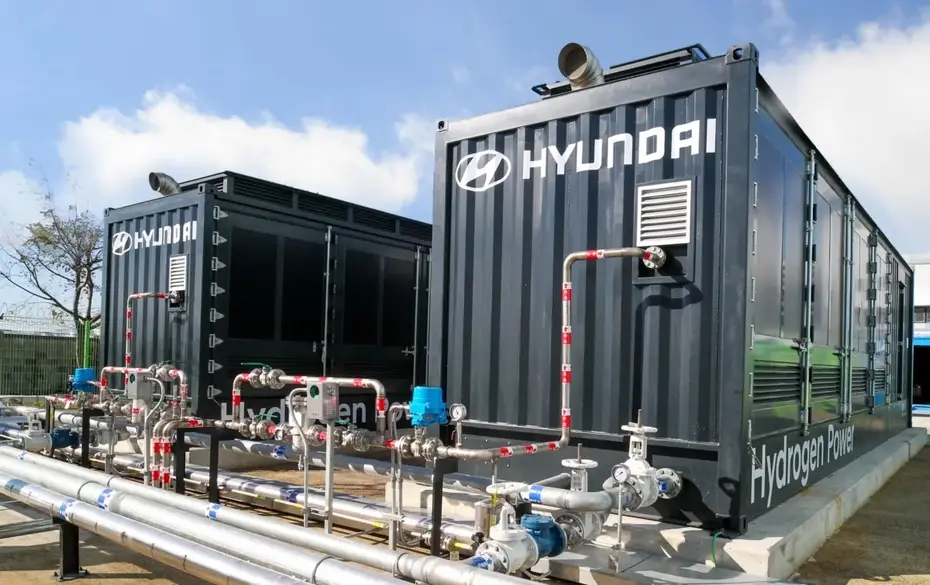
Photo: Hyundai
The new solution uses software and automotive-derived technology that allows reaction within seconds. Thus, the fuel cell no longer works at a fixed output but follows the real-time needs of the grid—regulating frequency, balancing peak loads, and enabling smoother integration of renewables.
This step is important because it shows that hydrogen can be more than just backup fuel. It can also be an active tool for the transition to carbon neutrality. The technology paves the way for more flexible and clean energy systems, which are essential for the future of a sustainable economy.
Read more here
The First Hydrogen Ships in the North Sea
The North Sea is now home to the first cargo vessels powered by hydrogen, producing no harmful emissions. Among them is H2 Barge 2 – a retrofitted former diesel ship that now runs on hydrogen fuel cells and an electric motor. This vessel alone can save up to 2,000 tons of CO₂ annually.
For the crew, the change is striking: sailing is completely silent, with no vibrations and only water vapor as a byproduct. Although the technology has proven reliable, the high cost of green hydrogen and lack of sufficient incentives still hinder its widespread adoption in shipping.
This example is important because it shows that sustainable shipping is possible today.
Learn more in the video above and here.
Brussels Hosts European Hydrogen Week (29 September – 3 October)
In 2025, European Hydrogen Week returns in a new format – split into two events alternating each year. The first edition is the European Hydrogen Conference, which will take place from 29 September to 3 October in Brussels.
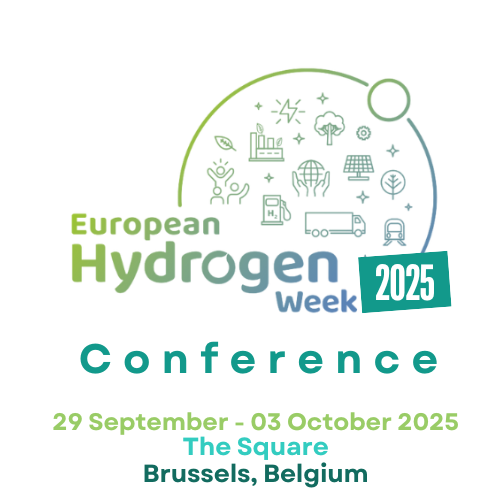
The forum promises more content, more high-level discussions, and more opportunities for collaboration. Leading experts, industry leaders, and policymakers will meet to discuss the future of Europe’s hydrogen economy—from technology and investments to infrastructure and market development.
Such events are crucial because they bring vision and practice together. They help Europe accelerate its transition to clean energy and strengthen its role as a global leader in hydrogen innovation.
Find more about the event here.