Toyota Motor North America announced new steps in the development of its hydrogen strategy during the Advanced Clean Transportation Expo 2026 in Las Vegas. The company presented progress in three key areas: heavy-duty trucks powered by hydrogen fuel cells, hydrogen refueling infrastructure, and stationary fuel cell generators.
Among the main highlights are Toyota’s plans to deploy Class 8 trucks powered by hydrogen fuel cells in its logistics fleets by early 2027. The company also announced a collaboration with Hyroad, which is expected to become one of the largest commercial deployments of hydrogen trucks in the United States.
In addition, Toyota is signing an agreement with Air Liquide for the supply of hydrogen fuel to its North American Parts Center California facility. Initially, a mobile hydrogen refueling station will be used there, followed at a later stage by a permanent station for heavy-duty and light fuel cell electric vehicles.
An important part of the announcement is also the certification of Toyota’s stationary fuel cell generators under the ANSI/CSA FC 1 and FC 6 standards. This is a significant step for the safe and commercial deployment of low-emission power supply solutions in hospitals, data centers, remote sites, and disaster response systems.
For us at BGH2A, this example shows that hydrogen is now developing as a complete ecosystem, not as a standalone technology. Fuel cell electric vehicles are electric vehicles in which electricity is produced on board through a reaction between hydrogen and oxygen. While in operation, they do not emit CO₂ from the exhaust pipe, and the main product is water — an argument of particular importance for heavy-duty transport and logistics.
This does not place hydrogen mobility in competition with battery electric mobility. On the contrary — a technology-neutral approach is needed, in which different zero-emission solutions are used where they have the greatest efficiency and added value. For long routes, high utilization, and the need for short refueling times, hydrogen fuel cells can be a key tool for decarbonization.

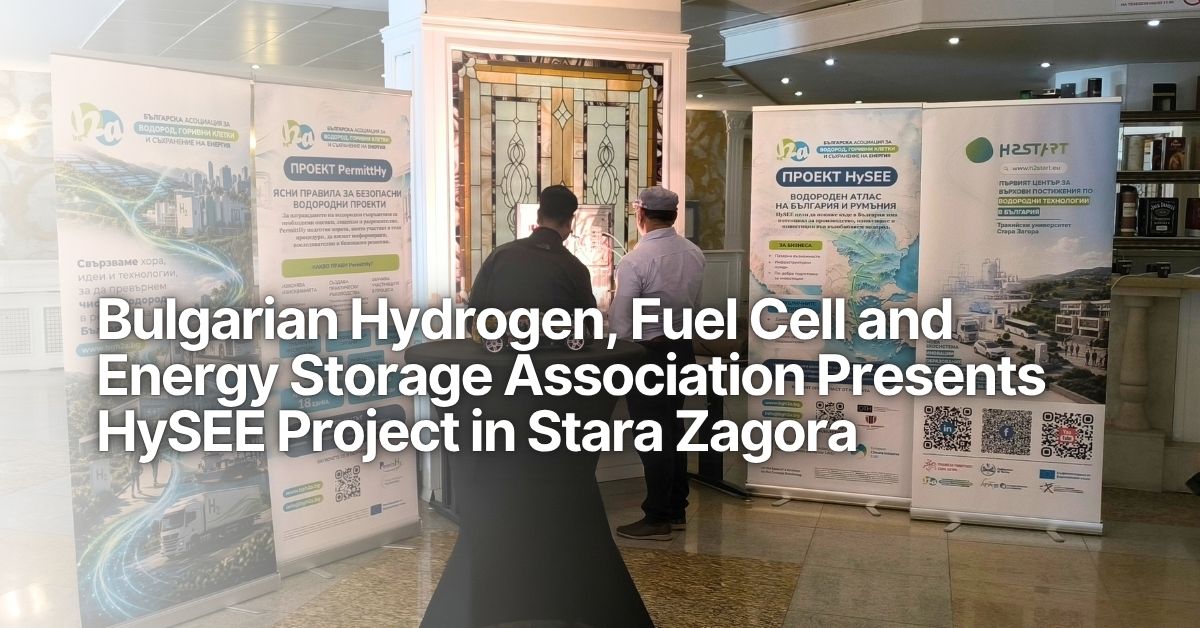
Toyota’s experience is also important for Bulgaria. It shows that the hydrogen economy requires vehicles, hydrogen refueling stations, reliable fuel supply, standards, certification, partnerships, and trained personnel at the same time. It is precisely on this connection between science, business, and the public sector that BGH2A works, including through projects such as H2START, HySEE, PermittHy, and SET4H2.
The quality of the hydrogen used also remains key. To be a real solution for decarbonization, it must be produced and certified according to clear criteria for a low carbon footprint, including in line with the European framework for renewable hydrogen and RFNBO hydrogen.
Therefore, the conclusion is clear: the development of hydrogen mobility requires a comprehensive policy — infrastructure, regulations, market incentives, demonstration projects, and investment in education.